Unlocking International Trade Opportunities

Introduction
Ever wonder how your favorite coffee from Brazil or that gadget assembled in Vietnam made its way to your local store? That is international trade in action. It is a fundamental part of our global economy, connecting nations and bringing diverse products and services to consumers everywhere.
For businesses, looking beyond local markets is no longer just an option; it is often a path to significant growth. Expanding internationally means tapping into new customer bases, diversifying revenue streams, and staying competitive in an increasingly interconnected world. While the idea might feel daunting, understanding the basics can make it much more accessible.
This guide will demystify the world of cross-border commerce, offering insights that will help you confidently explore global opportunities. We will cover the essentials, from understanding its importance to tackling common hurdles.
What Drives Global Commerce?
At its heart, international trade is simply the exchange of goods, services, and capital across national borders. It is driven by several key factors, primarily the concept of comparative advantage. This means countries specialize in producing what they are best at or can produce most efficiently, then trade those items for what other countries produce efficiently.
Think about it: a country with abundant natural resources might export raw materials, while another with advanced manufacturing capabilities might export finished goods. This specialization leads to greater overall efficiency and lower costs for consumers worldwide. Without international trade, our choices would be limited, and many products would be significantly more expensive or unavailable.
Benefits of Trading Across Borders
Engaging in international trade offers a multitude of advantages, both for individual businesses and entire economies.
Economic Growth and Job Creation
For nations, exports fuel economic growth by bringing in foreign currency and stimulating domestic production. This often leads to new job opportunities across various sectors, from manufacturing and logistics to marketing and customer service. Businesses that export frequently grow faster and are more resilient to local economic downturns.
Increased Consumer Choice and Lower Prices
As consumers, we benefit directly from global trade. It provides us with a wider variety of goods and services, from exotic fruits to specialized electronics, often at more competitive prices. Competition from international markets can also push domestic producers to innovate and improve their offerings, leading to better quality products for everyone.
Knowledge and Technology Transfer
Trade is not just about physical goods; it also facilitates the exchange of ideas, technologies, and best practices. As businesses interact across borders, they learn from each other, leading to innovation and advancements that benefit all participating countries. This cross-pollination of knowledge accelerates progress globally.
Navigating Common Challenges in Global Commerce
While the rewards of international trade are substantial, it is important to acknowledge and prepare for its unique challenges. Successfully navigating these hurdles is key to long-term success.
Logistics and Supply Chain Complexities
Moving goods across continents involves intricate logistics. You need to consider different transportation modes, customs procedures, warehousing in multiple locations, and last-mile delivery. Delays, damage, or lost shipments can be costly, making a robust and reliable supply chain crucial. This includes understanding shipping documentation, freight forwarding, and carrier networks.
Tariffs, Regulations, and Compliance
Every country has its own set of import duties, taxes, and product regulations. Keeping up with these can be a full-time job. Non-compliance can lead to fines, seizures, or even bans on your products. Understanding trade agreements, customs classifications, and specific country requirements is paramount to avoid unexpected costs or delays.
Currency Exchange and Payment Risks
When you trade internationally, you are often dealing with different currencies. Fluctuations in exchange rates can impact your profit margins. Additionally, securing payments from international buyers and managing cross-border transactions safely and efficiently requires careful planning. Payment processing fees and potential fraud are also considerations.
Here is a quick overview of some common challenges:
| Challenge Area | Key Considerations |
|---|---|
| Logistics | Customs clearance, shipping costs, delivery times, warehousing |
| Regulations | Tariffs, import quotas, product standards, compliance laws |
| Financial | Currency fluctuations, international payment processing, fraud risks |
| Cultural | Language barriers, market preferences, business etiquette |
Key Steps for Businesses Venturing Globally
Ready to take your business global? Here are some actionable steps to help you get started on the right foot.
Market Research and Strategy
Do not just jump in. Thoroughly research potential international markets to identify demand for your products or services. Understand local competition, consumer preferences, purchasing power, and cultural nuances. Develop a clear entry strategy, considering whether to export directly, partner with local distributors, or even establish a local presence.
Understanding Legal and Regulatory Frameworks
Consult with experts to understand the legal, tax, and regulatory requirements of your target markets. This includes intellectual property protection, contract laws, data privacy, and product certifications. Getting this right from the beginning can save you significant headaches down the road.
Optimizing Logistics and Fulfillment
Choose reliable shipping partners who specialize in international logistics. Explore options like freight forwarding, consolidated shipping, and customs brokerage services. For eCommerce businesses, consider leveraging a fulfillment network that can store and ship products directly to customers in your target countries, streamlining the delivery process.
Secure International Payment Solutions
Set up secure and efficient payment gateways that can handle multiple currencies and cross-border transactions. Look for solutions that offer competitive exchange rates and protect against fraud. Offering local payment methods can also significantly improve conversion rates in new markets.
Conclusion
International trade is a dynamic and ever-evolving landscape that offers unparalleled opportunities for growth and innovation. While it presents its share of challenges, with careful planning, robust strategies, and the right partners, businesses can successfully expand their horizons and tap into the vast potential of the global marketplace.
Embracing cross-border commerce not only diversifies your customer base and revenue streams but also fosters resilience and adaptability. It allows you to learn, innovate, and contribute to a more interconnected and prosperous world economy. The journey might require effort, but the rewards of global expansion are truly transformative for any ambitious enterprise.
By understanding the mechanisms, benefits, and challenges, you are better equipped to make informed decisions and confidently embark on your international trade venture. The world is waiting.
Streamlining Your Global eCommerce with Shiprocket
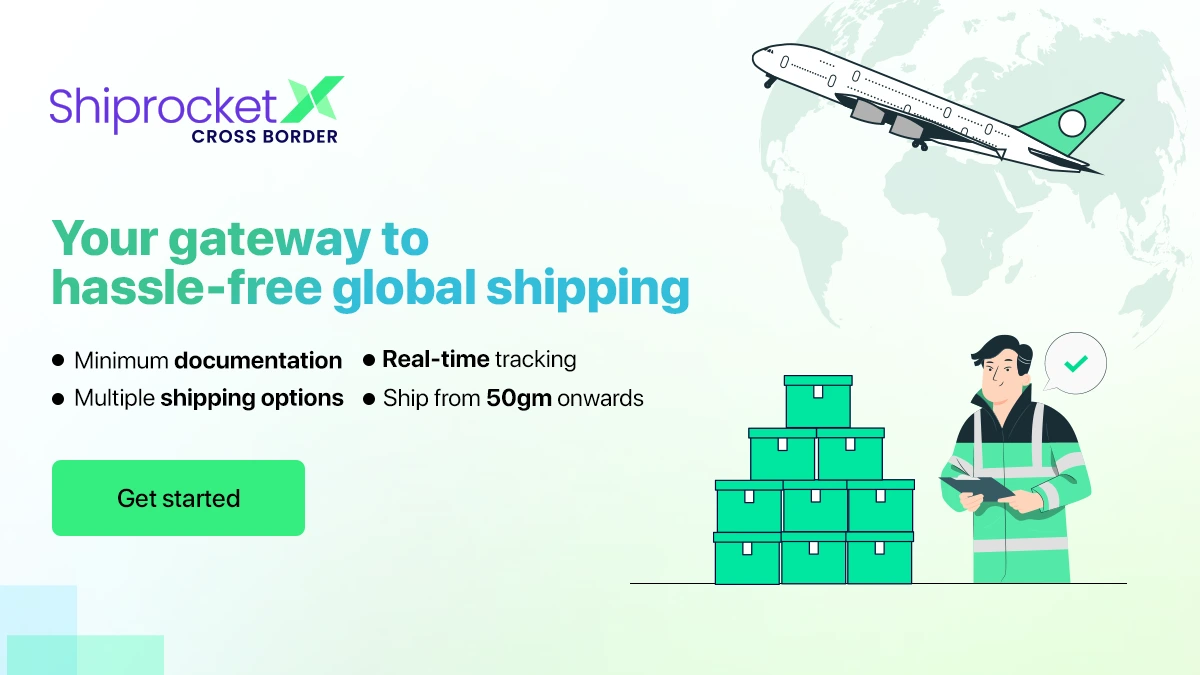
For D2C brands and online sellers looking to conquer international markets, efficient logistics are non-negotiable. Shiprocket understands the complexities of cross-border shipping and provides robust solutions to simplify your global expansion. Our platform aggregates multiple courier partners, offering competitive international shipping rates and reliable services to over 220 countries and territories.
With Shiprocket, you can automate your shipping processes, generate customs documentation effortlessly, and track your international shipments in real-time. We help manage compliance and ensure your products reach customers worldwide without unnecessary delays. By streamlining your fulfillment and post-purchase experience, Shiprocket empowers you to focus on growth while we handle the intricate details of global delivery.