
Clothing Industry Trends 2026: Growth & Demand Insights

 March 23, 2026
 3 min read
The clothing industry in 2026 is experiencing strong seasonal fluctuations, with a sharp demand surge in January followed by a decline in March. As a key segment of the apparel industry, clothing dominates with over 74% of total orders, while categories like jewelry and accessories present emerging growth opportunities.
Data highlights the importance of seasonal planning, category diversification, and data-driven strategies for sustained growth. Brands focusing on clothing for volume while expanding into adjacent segments can better manage demand cycles and increase profitability in a competitive apparel market.
What is the Clothing Industry & Why It Matters in 2026
The clothing industry, a core segment of the broader apparel industry, plays a crucial role in global and Indian retail markets. With increasing consumer demand, fast fashion cycles, and digital commerce growth, the industry continues to evolve rapidly.
In 2026, data-backed insights are becoming essential for brands to understand demand patterns, optimize inventory, and identify high-growth categories.
Shiprocket Trends: Key Clothing Industry Insights
According to Shiprocket Trends, the apparel and accessories segment in India witnessed a significant jump from ₹1.39M in December 2025 to ₹44.49M in January 2026. This surge reflects strong festive demand, discount-driven sales, and seasonal buying behavior.
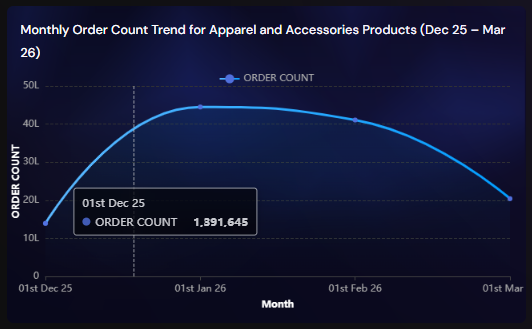
However, the market saw a sharp drop to ₹2.04M in March 2026, indicating a post-season slowdown and highlighting the cyclical nature of the clothing industry.
| The clothing industry in 2026 is driven by strong seasonal demand, with a sharp spike in January followed by a decline in March. Clothing dominates with over 74% of orders, while the apparel industry is also seeing rising opportunities in jewelry and accessories. Brands must focus on diversification and data-driven strategies to sustain growth beyond seasonal peaks. |
Why Clothing Dominates the Apparel Industry
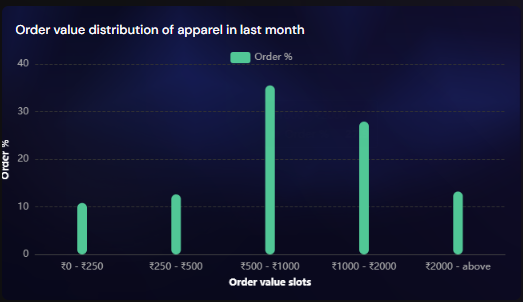
Clothing remains the largest contributor, accounting for over 74% of total orders, making it the backbone of the apparel industry. Its consistent demand across demographics ensures steady revenue generation for brands.
Meanwhile, categories like jewelry (~28%), accessories, and footwear are growing steadily, showing that consumers are increasingly exploring complete fashion solutions rather than standalone purchases.
Seasonal Demand Patterns in the Clothing Industry
The spike in January followed by a decline in March highlights a promotion-led demand cycle. Factors driving this trend include:
- Festive and year-end sales
- Heavy discounting and clearance campaigns
- Increased online shopping during peak seasons
This pattern indicates that the apparel industry is highly seasonal, requiring brands to align their strategies with demand fluctuations.
Growth Opportunities in Apparel Industry Segments
While clothing leads in volume, jewelry and accessories present strong untapped potential. These segments can help brands:
- Increase average order value (AOV)
- Reduce dependency on clothing
- Tap into niche and trend-driven markets
Strategic marketing, bundling, and influencer collaborations can unlock growth in these categories.
Key Strategies for Clothing & Apparel Brands
To succeed in the evolving clothing industry, brands should:
- Focus on clothing for consistent revenue
- Diversify into accessories and jewelry for stability
- Use data-driven insights for demand forecasting
- Plan campaigns around peak seasonal periods
Conclusion
The clothing industry in 2026 is shaped by seasonal demand spikes, category dominance, and emerging diversification opportunities. While clothing continues to drive the majority of sales, the future of the apparel industry lies in expanding into adjacent categories and managing demand cycles effectively.
Brands that leverage data insights, strategic diversification, and seasonal planning will be best positioned to achieve sustainable growth in this competitive market.