
Introduction
Imagine a product so unique, so rooted in its origin, that it instantly tells a story of its land and people. This isn’t just a romantic idea; it’s the core of the One District One Product (ODOP) initiative.
I’ve seen firsthand how focusing on a single, standout product can truly transform a district. It’s about tapping into inherent strengths and giving them a global stage.
ODOP is more than just a policy; it’s a strategic pathway to unlocking immense local potential, fostering economic growth, and celebrating diverse craftsmanship across the country.
What is One District One Product (ODOP)?
At its heart, the One District One Product initiative is a focused approach to economic development. It encourages each district to identify, brand, and promote a single product that holds unique value or potential within that specific region.
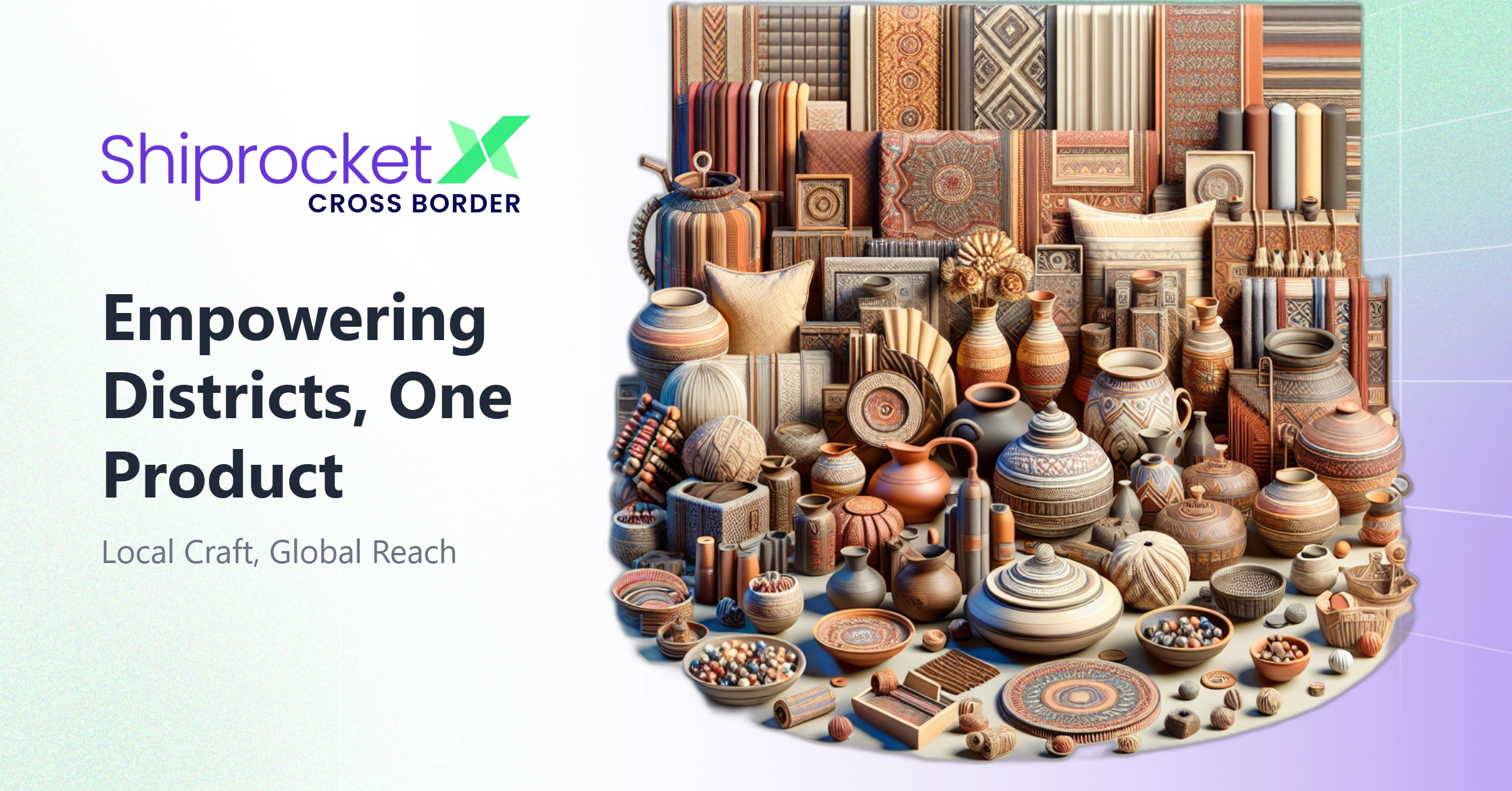
This isn’t about imposing a product, but rather discovering what already thrives. It could be an agricultural produce, a traditional craft, a local food item, or a specialized manufacturing good.
Once identified, the initiative provides comprehensive support. This includes help with sourcing raw materials, improving production quality, enhancing packaging, and critically, linking these products to wider markets, both national and international. The goal is to create a distinct identity and a robust value chain for that chosen product.
Why ODOP Matters: Benefits for Local Economies
The impact of ODOP stretches far beyond just selling a product; it’s about holistic regional development. I’ve observed several key benefits that make this initiative truly powerful for local economies.
Firstly, it acts as a massive catalyst for economic growth and job creation. By streamlining production and creating market linkages, it ensures better returns for local producers, artisans, and farmers, thereby boosting their income and standard of living.
Secondly, ODOP fosters skill development and entrepreneurship. Training programs often accompany the initiative, helping local communities upgrade their skills, adopt modern techniques, and even start their own ventures around the chosen product.
Thirdly, it’s a powerful tool for brand building and market access. Each district’s product gets a unique identity, making it easier for consumers to recognize and trust. This opens up new distribution channels and helps these products compete effectively in larger markets.
Finally, and perhaps most importantly, ODOP plays a crucial role in preserving traditional crafts and cultural heritage. Many of these unique products are centuries old, passed down through generations. The initiative ensures these invaluable skills and traditions don’t just survive but thrive.
From Idea to Market: Challenges and Solutions
Bringing a local product to a wider market isn’t without its hurdles. I’ve seen challenges ranging from ensuring consistent quality to navigating complex logistics and reaching the right buyers.
One major challenge is maintaining uniform quality and standardization across various producers within a district. Solutions often involve establishing common testing facilities and providing training on quality control measures, ensuring every product meets a certain benchmark.
Another significant hurdle is effective packaging and branding that appeals to a modern consumer base while still reflecting the product’s authentic origin. Here, design experts and marketing professionals play a vital role in crafting compelling narratives and visually appealing packaging.
Logistics and market linkage can also be complex for remote producers. This is where robust supply chain solutions, leveraging technology, become essential. Establishing e-commerce platforms and connecting producers directly with buyers can bridge these gaps effectively.
Government support, through subsidies, skill development programs, and promoting digital literacy, forms the backbone of overcoming these challenges. Collaborations with private sector players for marketing and distribution further amplify the reach and impact of ODOP products.
Conclusion
The One District One Product initiative is a remarkable testament to the power of focused development. It’s about recognizing the inherent strengths of each region and nurturing them into engines of economic prosperity.
I believe that by empowering local communities to champion their unique offerings, we are not just creating successful products; we are building stronger, more resilient local economies. We are preserving invaluable traditions and fostering a sense of pride in local heritage.
ODOP truly demonstrates how a simple yet powerful idea can bring about monumental change, connecting the authentic essence of a district with the global marketplace, one distinctive product at a time.
Supporting D2C Growth for ODOP Sellers with Shiprocket
For ODOP products, especially those aiming for direct-to-consumer (D2C) sales, efficient logistics are non-negotiable. Shiprocket plays a pivotal role in enabling these local businesses to reach customers across India and beyond.
Our platform offers automated shipping solutions that connect sellers with multiple courier partners, ensuring cost-effective and reliable delivery. From simplified order processing to managing returns, Shiprocket provides the robust backend needed for ODOP products to scale their reach, allowing producers to focus on what they do best: crafting their unique offerings.