
What Is Product Branding? Benefits, Strategy & Examples in 2026

 February 2, 2026
 7 min read
- Product branding focuses on differentiating a product so customers can recognise, remember, and choose it over alternatives.
- It goes beyond logos and packaging to include brand positioning, values, personality, consistency, and the overall customer experience.
- Strong product branding helps businesses target specific customer segments, communicate clear value propositions, and reduce price-based competition.
- Well-branded products are more likely to build trust, emotional connection, and long-term customer loyalty.
- Reliable fulfillment and delivery play a key role in branding, and platforms like Shiprocket help businesses deliver branded experiences quickly and consistently.
Product branding is the way a product is identified, remembered, and chosen, not just through its logo or packaging, but through its quality, messaging, pricing, and overall experience. In 2026, branding is no longer optional. It directly influences whether a customer trusts your product or scrolls past it.
For growing sellers, especially those competing with bigger brands and online marketplaces, strong product branding levels the playing field. A recent survey shows effective branding can increase revenue by 23%, which means clearer positioning and better recall can directly impact sales.
This blog explains what product branding really means today, why it matters for your business growth, and how you can build it step by step using practical, achievable strategies.
What Are the Essential Components of Product Branding?
Product branding is built on more than colours alone. While colours influence mood and recall, a strong product identity is shaped by multiple components that work together to create recognition, trust, and preference.
- Brand Position
This defines how your product stands against competitors. It clearly communicates the value proposition and highlights the unique selling point that sets the product apart.
- Brand Values and Persona
The core values and personality traits are linked with the brand. A good brand persona can create an emotional connection with consumers, which has been proven by science. It can also help build brand loyalty.
- Product and Packaging Design
This is the product’s physical presentation and appearance, including product aesthetics, labelling and packaging design. Proper packaging design supports brand identity and also affects purchase decisions.
- Brand Product Line and Extension
Under this component, brands get to extend their presence via expansions or related product offerings. This consists of leveraging the brand reputation and equity to introduce new items under the same brand.
- Brand Consistence
It is important to ensure consistency across all the interactions and touchpoints with the brand. This includes product quality, consumer service, marketing campaigns and advertising. Consistency can help build trust and also support brand credibility.
- Brand Experience
This component focuses on the consumer’s experience with the product, right from pre-purchase exchanges to post-purchase satisfaction. Good brand experiences can lead to advocacy and even brand loyalty.
Why Is Product Branding Important?
Product branding plays a direct role in how a product is chosen, remembered, and repurchased. Its importance is reflected in the following ways:
- Targeting the Submarkets
A target market includes customers most likely to buy a product. When businesses create distinct product brand identities, it becomes easier to serve specific customer groups with different products within the same range.
- Building Strong Value Propositions
Instant recognition alone is not enough in crowded categories. For example, in sectors like toothpaste where formulations are similar, the value proposition becomes the deciding factor. Strong product branding helps communicate why one product is worth choosing over another, especially when supported by expert recommendations.
- Building Effective Product Loyalty
A well-defined brand identity encourages repeat purchases. Consumers who develop an emotional connection with a brand are more likely to stay loyal, increasing lifetime value and long-term business stability.
How to Build a Successful Product Branding Strategy for Your Business?
To create an effective product branding strategy, businesses should focus on these core steps:
- Step 1: Conduct Research
When building a product identity from scratch, it is essential to study the market and existing brand ideas. Working with a reliable design agency can help generate direction early on. Along with this, businesses must research their target audience and competitors. These insights allow them to build a brand strategy that meets customer needs while clearly differentiating from competitors.
- Step 2: Maintain Consistency
Successful product branding requires consistency with overall brand messaging while giving each product its own identity. Businesses should define a clear brand message for every product and follow established brand guidelines, including colour palettes, tone, and visual elements, to maintain recognition and trust.
- Step 3: Involve the Team
Product branding works best when teams understand business goals and value propositions. Employees who are aligned with the brand’s voice can communicate it effectively during customer interactions, both online and offline.
What Are Some Successful Product Branding Examples?
Strong product branding helps businesses create clear differentiation and lasting recognition. The following examples show how well-executed product branding sets products apart:
- McDonald’s
McDonald’s uses a distinct product branding approach for every new menu item while keeping it aligned with its core identity. Each product launch is supported by dedicated advertising and reinforced through its golden arches and the “I’m lovin’ it” slogan. What truly strengthens its branding is localisation. Menus are customised to regional tastes, such as Teriyaki McBurger and Shrimp Filet-O in Japan, and McAloo Tikki and Spicy Paneer Wrap in India. This balance of consistency and localisation reflects effective product branding.

- Coca-Cola
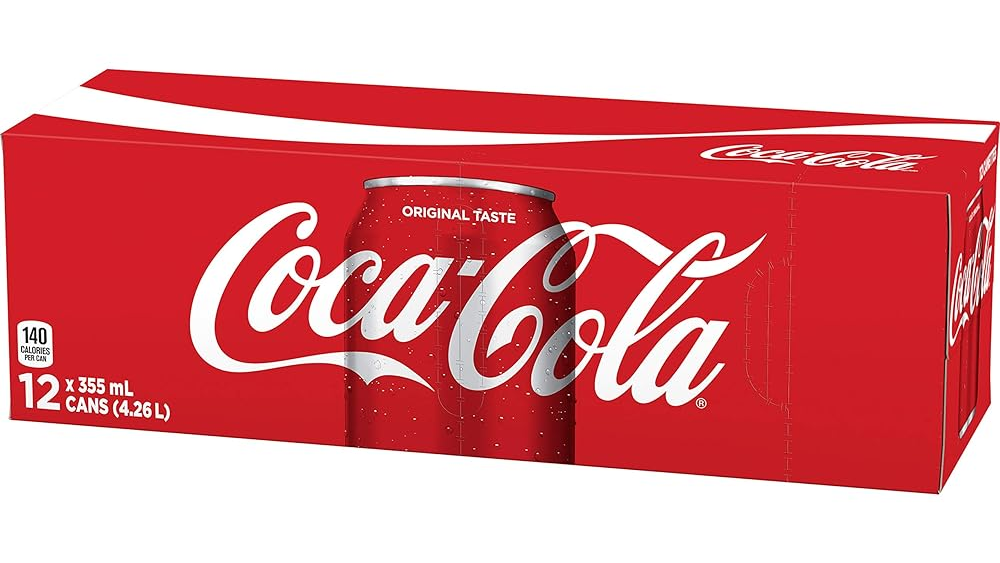
Coca-Cola is a classic example of product branding built around consistency. For over a century, its branding has remained largely unchanged. The curvy bottle, script logo, and red-and-white colour scheme instantly signal the product. Even without seeing the name, these elements are enough to trigger recognition, proving the strength of a focused branding strategy.
- Apple (iPhone)
The iPhone has a strong, independent product identity within Apple’s broader ecosystem. Its minimal design, premium packaging, and simple naming create instant recognition. Apple highlights experience and lifestyle rather than technical specifications, positioning features as benefits. This clarity and consistency have turned the iPhone into a globally recognised product brand.

Increase Conversions and Sales with Shiprocket
Product branding delivers results only when the post-purchase experience matches the brand promise. For Indian businesses, Shiprocket supports this by strengthening the fulfillment layer that customers directly experience.
Shiprocket helps brands convert and retain customers through:
- Reliable and faster deliveries that build trust and reduce order cancellations
- Branded notifications and tracking that keep customers informed while reinforcing brand recall
- A smooth post-purchase experience that improves satisfaction and repeat buying
- Optimised logistics that reduce delays, errors, and operational inefficiencies
Branding does not end at checkout. It continues until the product is delivered successfully. By ensuring timely, transparent, and dependable fulfillment, Shiprocket helps businesses maintain service consistency and translate strong branding into higher conversions and sales.
Conclusion
In 2026, product branding is not about looking bigger than you are. It is about being remembered, trusted, and chosen repeatedly, even when customers have endless alternatives. For sellers building their businesses beyond local boundaries, strong product branding creates clarity in crowded marketplaces and reduces dependency on discounts or price wars.
A well-defined brand helps customers understand why your product exists, what makes it reliable, and why it deserves loyalty. When this clarity is supported by consistent delivery and post-purchase experiences through platforms like Shiprocket, branding turns into measurable business outcomes such as repeat orders, stronger word-of-mouth, and sustainable growth.
Strong branding allows sellers to command better margins by reducing price comparisons and making customers value the product beyond cost alone.
Yes. Clear positioning, consistent packaging, and reliable delivery help smaller sellers appear professional and trustworthy, even alongside established brands.
Packaging influences first impressions and recall. Easy-to-recognise, well-designed packaging increases the chances of customers remembering and reordering the product.
Yes. Private-label sellers rely heavily on branding to build trust, differentiate similar products, and establish long-term customer loyalty.
Strong branding improves click-through rates, customer reviews, and repeat purchases, all of which positively influence marketplace algorithms.
Yes. Delayed or poorly handled deliveries break the brand promise and can damage trust, even if the product quality is good.
Focusing only on visuals while ignoring consistency in communication, customer support, and post-purchase experience.
Fast delivery, branded tracking updates, and smooth returns reinforce reliability, making logistics an extension of the brand experience.