
10 Proven Tips And Tricks To Boost eCommerce Sales in 2026

- Low eCommerce sales are common, but they can be fixed with the right strategies.
- Global eCommerce sales are growing rapidly, making competition tougher than ever.
- Key drivers of sales include website traffic, conversion rate, customer lifetime value, market trends, and competitor strategies.
- Optimising your website, selling across multiple channels, improving product descriptions, leveraging AI tools, and offering flexible payment options can significantly boost sales.
- Consistent testing, customer-focused improvements, and data-backed decisions are essential for long-term growth.
If you have been struggling with the idea of low sales, you have come to the right place. As an eCommerce seller, sales are your primary target. You can only scale greater heights and make profits if you make the right amount of sales.
However, the graph doesn’t always scale higher, does it? Now and then, your e-commerce business hits a phase of low sales. To make sure you emerge successfully, keep experimenting with these tips and tricks from time to time.
Did you know that eCommerce sales around the world in 2024 amounted to over USD 7 trillion By 2028, the amount is projected to increase to almost USD 10.4 trillion. With such a vast audience looking to buy online, you must be prepared to make sure they navigate to your platform.
What Are the Top Factors That Drive eCommerce Sales?
To boost eCommerce sales, it’s essential to focus on factors that directly impact your store’s performance. Analysing these areas helps in creating better strategies for higher sales.
- Website Traffic
More visitors increase the chances of sales. A well-optimised website with a fast loading speed, mobile-friendly design, and effective SEO can attract more traffic. Running paid ads and using social media marketing also help drive potential buyers to the store.
- Conversion Rate
Getting visitors is not enough if they do not buy. Your conversion rate measures how many visitors end up making a purchase. A well-designed website, clear product descriptions, and an easy checkout can encourage purchases. Offering discounts, customer reviews, and multiple payment options can also help turn visitors into buyers.
- Customer Lifetime Value
Long-term customers bring more revenue than one-time buyers. CLV includes purchase frequency, sale value, and customer retention. Encouraging repeat purchases can increase customer lifetime value. Better service and timely follow-ups also help in building strong relationships with buyers.
- Competitor Strategies
Keeping track of competitors helps you stay ahead. Analysing their pricing, promotions, and product offerings can provide insights to adjust business strategies. Competitive pricing, better deals, and unique products can attract more buyers.
- Market Trends
Sales patterns change with trends. Staying updated on popular products, seasonal demands, and customer preferences can help you offer the right items at the right time. Adapting quickly to market changes ensures steady sales growth.
What Practical Tips Can Help Boost Your eCommerce Sales?
Growing sales requires effective strategies for customer engagement, product visibility, and user experiences. Here are some tips that can help you increase your sales and expand your business.
1. Omni-Channel Selling
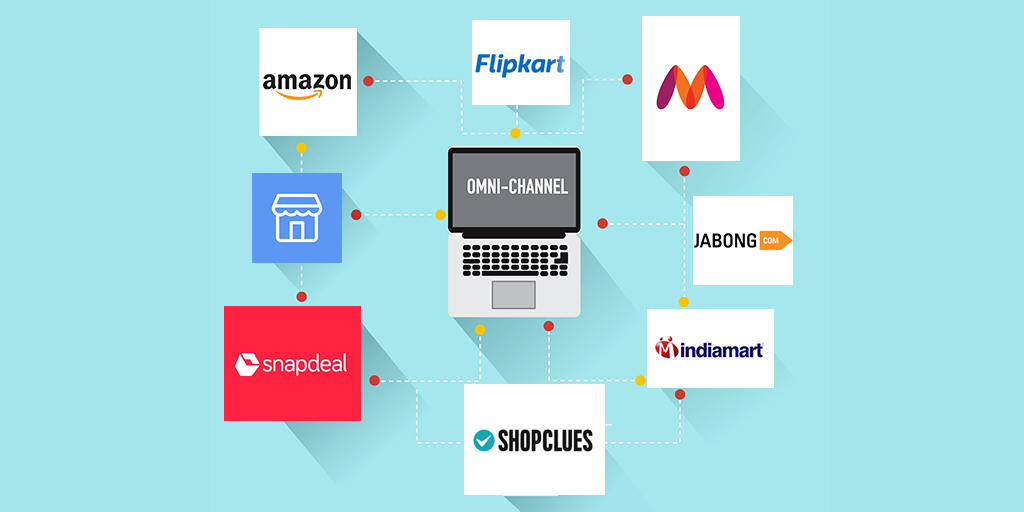
Selling only through your website might limit your sales opportunities. Consider listing your products on popular online marketplaces like Amazon, eBay, Flipkart, or Myntra. These platforms have massive user bases and can help increase your product visibility. Even if your website isn’t bringing in much traffic, selling on these channels ensures your products are exposed to a broader audience.
For example, if you sell an air purifier on your website, listing it on Amazon or Flipkart allows customers to find it on multiple platforms. This can drive more sales, even during low periods on your site. Additionally, if you have an offline store, listing your products on these platforms will give your business more visibility.
Partner with platforms like Shiprocket to manage the logistics of selling across multiple channels. These tools help sync inventory and simplify shipping, ensuring smooth operations across all platforms.
2. Optimise Your Website
If you enter an eCommerce website and find it hard to navigate through the contents, will you continue with it? It is unlikely that you will. Thus, you have to make sure the user experience of your website is top notch.
Using heat maps is an excellent option to know which parts of your website have more users and which don’t. This way you can modify/replace these functions or improve upon them. Using the heat maps data, you can make changes in your content strategy, call-to-action placement, navigation, etc.
Furthermore, your checkout page must be seamless and not have any hindrance when a buyer is checking out from the cart. Avoid placing any extra CTAs, banners, sidebars, etc on this page.
Your pages must contain the correct sorting, and filters and must facilitate the buyer to look for what he wants. Use descriptive, keyword-rich titles and URLs that align with what potential customers are searching for. High-quality images and videos will help customers better understand your products.
3. Online Marketing
With billions of social media users worldwide, connecting with your customers where they spend their time is essential. Create valuable content that resonates with your audience, and share your products in a way that aligns with your brand’s values.
Social media features like shoppable posts drive traffic to your product pages. Respond promptly to customer inquiries to build trust and loyalty. Email marketing remains one of the most effective tools for driving repeat business and boosting sales.
Segment your email list based on behaviour and preferences, and send personalised messages. Use automation to send welcome emails, abandoned cart reminders, product recommendations, and special offers. Ensure your emails are engaging by using clear calls to action and visually appealing designs.
4. Write Relevant Product Descriptions

Product descriptions play an essential role in your e-commerce website. If they do not have the appropriate keywords, information, and facts, they may not compel the buyer to purchase the product.
Your product description must comprise the features, advantages, uses and how to use the product. These are necessary bits of information that help users understand the product and give them a reason to purchase it.
How you present your product description is also very important. You can list the description in bullets, position it in the form of a story or write an advantages-based piece to describe the product. Try our product description generator for free.
5. On-Page Consumer Testimonials
Customer testimonials are a must for building credibility, reliability, and trust among your target audience. A customer testimonial works the same way as an opinion from a friend/family member who is already using the product.
Encourage buyers to leave reviews by offering incentives such as discounts or loyalty points. Use a rating system, testimonial sliders, and video testimonials to showcase customer experiences. Featuring reviews on landing pages and product listings can improve conversions.
Your client testimonial must include the client’s image. An image gives credibility to the consumer providing the testimony and lends a more authentic feel to the testimonial.
6. Add AI Chat Assistants
Providing quick responses to customer queries can improve satisfaction and encourage sales. Research by Invesp found that 63% of shoppers return to websites with live chat, and 77% prefer chatting before making a purchase.
AI chatbots can handle common questions about products, orders, and shipping. This reduces the need for manual customer support while improving the shopping experience. A chatbot can be programmed to guide customers through their buying journey.
It can assist with product recommendations, order tracking, and return requests. An AI assistant can keep customers engaged and prevent them from leaving due to unanswered questions.
7. Make Your Site Mobile Ready
With the changing dynamics of e-commerce, it is imperative your website be equipped for both, desktop and mobile devices. The mobile responsiveness of your website must be optimised to fulfill the user’s need and provide him/her with the best user experience on a mobile device.
Ensure your site is responsive and adjusts seamlessly to different screen sizes. The layout should be simple, fast-loading, and easy to explore, ensuring customers can easily purchase from their phones or tablets.
8. Customer Loyalty Programs
These loyalty programs are an effective way to reward your existing customers and encourage repeat purchases. Studies show that loyal customers spend 67% more than new ones and are more likely to refer others to your store.
Make a loyalty program that fits your customers’ preferences. You can offer point-based rewards for purchases or create tiered programs that provide additional benefits the more they shop. Promote these programs through email campaigns and social media to ensure customers know the perks.
9. Create Urgency and Scarcity
Using urgency and scarcity tactics can help increase sales by encouraging customers to act quickly. Limited-time offers or low stock notifications can trigger a fear of missing out, often leading to faster purchasing decisions.
You can implement countdown timers, highlight limited stock, or include phrases like “Last chance” or “Only X left” on your product pages. Social proof, such as showing how many people have recently viewed or purchased a product, also helps create a sense of urgency. These strategies can push hesitant buyers to finalise their decisions.
10. Multiple Payment Options
A convenient payment process helps customers complete their purchases without issues. Some buyers prefer digital wallets, while others use credit cards or bank transfers. If their preferred payment method is unavailable, they might leave without buying.
You should integrate multiple payment gateways and support different currencies based on their target market. Displaying product prices in local currency can make the buying process more convenient. Ensuring a secure and hassle-free payment experience helps retain customers and reduce cart abandonment.
Conclusion
Sales drive every eCommerce business, and staying ahead requires continuous improvement. In 2026, applying the right strategies can strengthen your online presence and help you achieve better results. As competition increases, you must embrace new methods, update your approach, and focus on customer needs. Small changes can lead to higher conversions and long-term success. Keep improving, test different techniques, and stay open to new ideas.


Great job on your blog post! The content was informative, and I appreciated the practical examples you provided. Thank you for sharing your knowledge!