
5 Proven Ways to Reduce Shipping Costs and Improve Margins

- Shipping costs directly impact profit margins and customer conversions.
- Factors like delivery speed, distance, weight, dimensions, and handling fees drive costs.
- Customers abandon carts when shipping charges appear unexpectedly.
- Optimising packaging and reducing dimensional weight lowers courier charges.
- Negotiating with carriers and using aggregators can unlock better rates.
- Transparent pricing, calculators, and pickup options reduce drop-offs.
- Flat-rate and prepaid shipping help control long-term costs.
- Smart shipping strategies balance affordability, speed and customer experience.
Shipping costs are among the largest operational expenses for businesses, especially for small and medium enterprises selling physical products. Beyond logistics, shipping directly affects customer satisfaction, checkout conversions and overall profitability.
Studies show that nearly 48% of shoppers abandon carts due to unexpected shipping costs, making it a critical business challenge rather than just an operational concern. While free or discounted shipping attracts customers, it often increases pressure on already thin margins.
Reducing shipping costs is not a one-time fix. It requires understanding how shipping charges are calculated and adopting smarter, scalable strategies that balance cost control with customer expectations.
Factors on which shipping costs are calculated
Several key factors influence how shipping costs are calculated. Understanding these can help businesses plan their logistics more efficiently and control expenses:
How quickly the items need to be delivered
Shipping costs can rapidly vary based on how quickly the items need to be delivered. Urgent deliveries require priority handling, which increases effort and cost. As a result, the shipping cost turns out to be directly proportional to the delivery time.
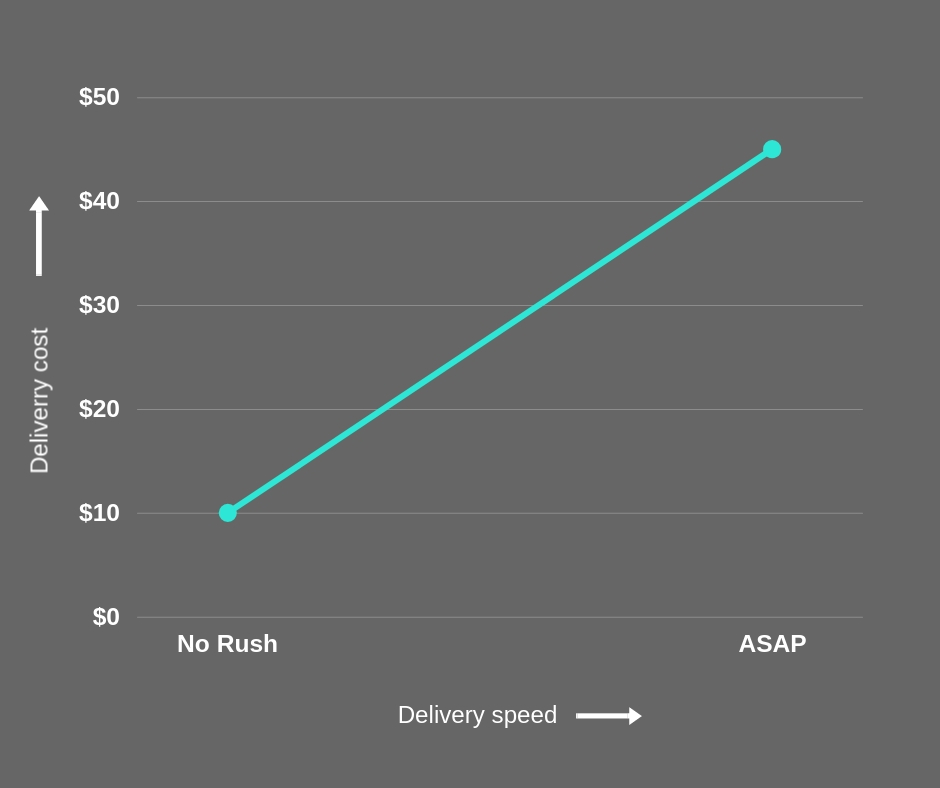
For this reason, overnight shipping involves higher effort as well as expenses. Companies offer preferences such as express, standard, or delayed shipping so that they can prioritise product deliveries and manage their shipping costs effectively.
Where the merchandise originates and where it’s going
A major portion of shipping costs is decided on the basis of the warehouse location and the delivery region. This is a strong consideration, especially for businesses that own inventory and manage the entire shipping process. In this case, shipping costs are directly proportional to the distance between the warehouse and the delivery location.
Weight of the package
A primary criterion that determines shipping charges is the weight of the package. When calculating shipping costs, the weight refers to the combined weight of the product and its packaging. Bulkier packaging leads to increased shipping costs, while efficient and utility based packaging helps reduce them.
Most shipping service providers offer rates based on the weight and dimensions of the package, which is why businesses are taking measures to pack products based on utility rather than adding unnecessary padding or excess materials.
Dimensions of the package
Just like weight, package dimensions are another important factor in determining shipping costs. The larger the package, the higher the shipping cost.
All shipping companies require package weight and dimensions to calculate charges, which is why keeping packaging minimal helps reduce shipping costs.
Special handling and associated fees
Special handling charges are additional costs that arise based on the type of shipping selected. These charges are often unavoidable and depend on the service requirements. Common examples include:
- Pick-up charges, which involve the cost of collecting shipments from the shipper’s warehouse
- Insurance, which protects shipments against loss or damage during transit
Understanding these charges helps businesses avoid paying for services they may not require.
What Are the 5 Proven Ways to Reduce Shipping Costs
Reducing shipping costs is not about cutting corners. It requires a combination of transparency, smarter logistics decisions and packaging efficiency. Below are five proven ways businesses can reduce shipping costs while maintaining customer satisfaction and delivery reliability.
Be Transparent and Educate Customers About Shipping Costs
Shipping costs cause major cart abandonment when they appear unexpectedly. Nearly 60% of customers abandon their carts due to additional costs, such as shipping charges and a significant portion of this abandonment can be reduced by educating customers upfront.
Clearly communicate shipping charges, policies and reasons for costs early in the buying journey. Display shipping information on your homepage or product pages and avoid surprising customers during checkout. Transparency builds trust and reduces drop-offs.
Break Down and Show Shipping Costs Clearly
Factorising shipping costs helps customers understand what they are paying for and why. Shipping often includes multiple components such as fuel surcharges, special handling fees, insurance or weekend delivery charges.
Since a large percentage of cart abandonment happens due to shipping costs, informing customers in advance about the breakdown can help retain them through the checkout funnel and improve brand perception.
Use Shipping Calculators and Pick-up Options
Shipping calculators provide clarity by showing real-time shipping costs based on the customer’s location. They are especially useful when delivery charges vary depending on distance or warehouse location.
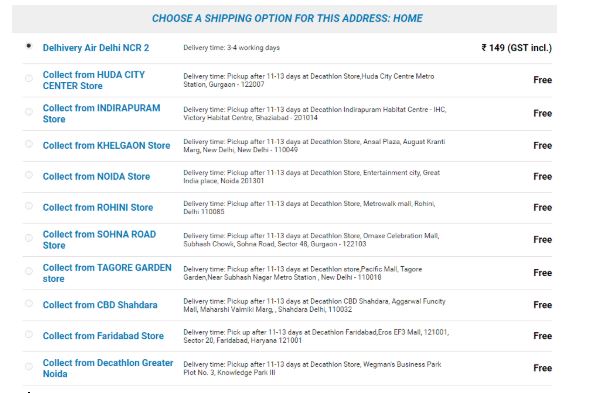
Pickup points are another effective cost-saving option. If you own a physical store, you can fulfill orders directly without shipping. Even when shipping from a warehouse, consolidating deliveries to pickup points reduces the number of trips. Businesses without stores can partner with nearby retailers to offer local pickup options.
Optimise Fulfillment, Carriers, and Third-Party Services
Negotiating with fulfillment centres and carriers can significantly reduce shipping costs, especially as order volumes grow. Many fulfillment centres offer membership or volume-based discounts once you establish a shipping history.
If negotiations do not work, switching carriers based on shipment weight or delivery region can lower costs. Regional carriers often offer better pricing for nearby deliveries. Third-party aggregators help compare courier partners and choose the most cost-effective option based on pickup and delivery locations.
Postal shipping can also reduce costs for international shipments, especially when speed and tracking are not the top priority.
Reduce Packaging and Dimensional Weight Costs
Packaging plays a major role in determining shipping charges. Carriers calculate costs based on weight and dimensions, also known as dimensional weight (DIM pricing).
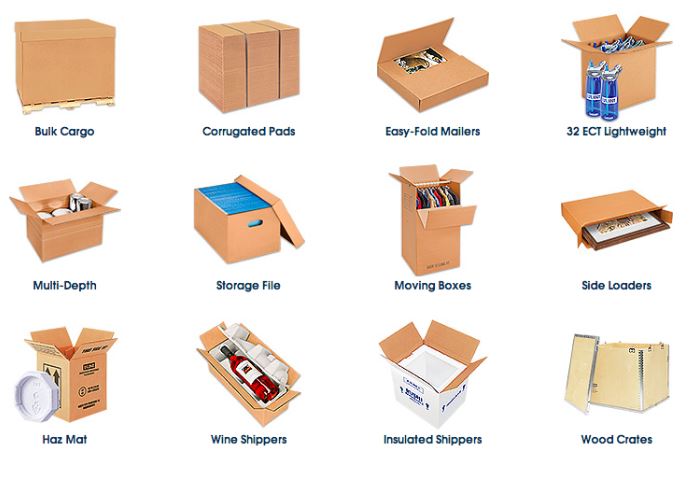
Using carrier-provided packaging helps avoid excess dimensional charges. Utility-based packaging reduces material use while ensuring safe delivery. To reduce dimensional weight:
- Use the smallest box that fits the product
- Avoid overfilling packaging materials
- Use lightweight mailers where possible
Reusing and recycling packaging materials can further cut costs. Flat-rate shipping can also help control expenses while increasing average order value and improving customer perception.
How Shiprocket Helps Reduce Shipping Costs for Businesses
Shiprocket is a logistics and shipping platform designed to help businesses by partnering with multiple courier companies, Shiprocket allows sellers to compare rates and choose the most cost-effective courier for every shipment.
With access to multiple courier partners on a single platform, businesses can optimise shipping decisions based on pickup location, delivery pin code, weight and serviceability. This helps avoid overpaying for shipments and ensures better cost control across regions.
Find out how Shiprocket helps you optimise logistics and reduce shipping costs in our detailed blog.
Conclusion
Reducing shipping costs isn’t just about saving money; it’s about creating a sustainable and scalable logistics strategy that benefits both your business and your customers. By being transparent with shipping charges, optimising packaging, using the right carriers or solutions like Shiprocket, and offering flexible options such as pickup points or flat-rate shipping, you can protect your profit margins while enhancing the customer experience.
Smart shipping is a competitive advantage. Businesses that balance cost, speed, and customer convenience can convert more sales, build loyalty and scale efficiently. Start small, measure the impact and gradually implement these strategies to see real savings and happier customers.